
English| EUR
Suggested for you
More currencies
Choose a language
Madeira wine spans the full spectrum from bone-dry to richly sweet, a range built into the island's winemaking tradition through four distinct styles. Each style is defined by grape variety, fortification timing, and aging method, giving visitors a clear framework for tasting and comparison. This guide explains which wines fall where on the sweetness scale and how to match them to your preference.
Quick answer
Madeira wine can be either sweet or dry, depending on the style. The island produces four main sweetness levels: Sercial (dry), Verdelho (medium-dry), Bual (medium-sweet), and Malmsey (sweet). Fortification timing determines the residual sugar—spirit added early in fermentation preserves more grape sugar, while late fortification allows yeast to convert most sugar to alcohol, yielding a drier wine. Most lodges offer vertical tastings so visitors can compare the spectrum in one session.
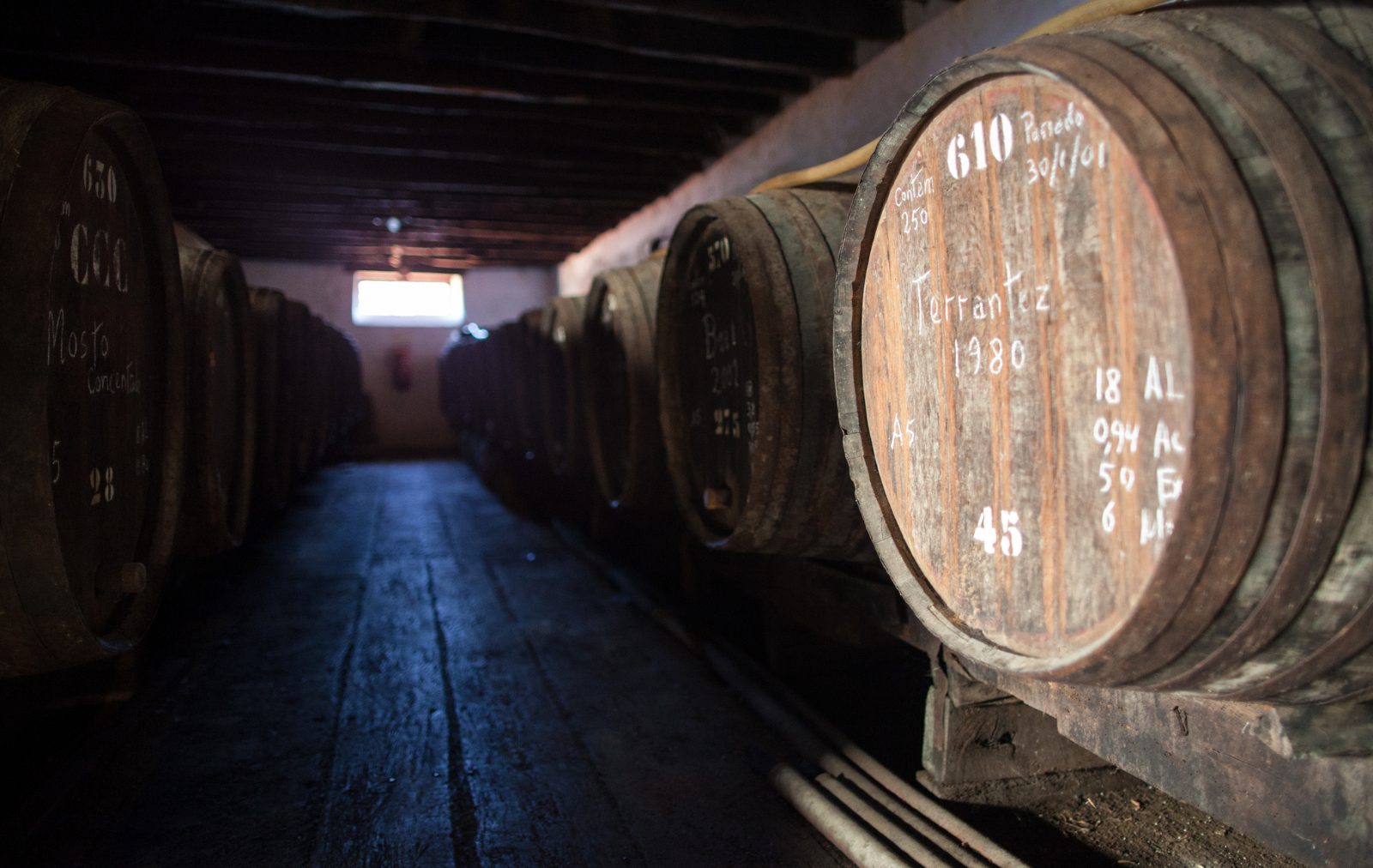
Madeira's winemaking method answers the question of sweetness with precision rather than ambiguity. The island's four noble grape varieties—Sercial, Verdelho, Bual, and Malmsey—each correspond to a defined sweetness level, a system codified over centuries of export trade. Sercial vines thrive at high altitude in the island's cooler northern slopes, producing grapes with naturally high acidity that yield bone-dry wines after fortification. Verdelho occupies the middle-dry tier, its wines retaining a hint of fruit sweetness balanced by saline minerality. Bual and Malmsey, grown in warmer southern exposures, deliver progressively sweeter profiles, the latter reaching dessert-wine concentration. Fortification is the mechanism that locks in sweetness. Winemakers halt fermentation by adding grape spirit at a precise moment—the earlier the addition, the more unfermented sugar remains. A Sercial is fortified late, allowing yeast to consume nearly all the grape sugar before alcohol is introduced. A Malmsey is fortified early, preserving the natural sweetness of sun-ripened Malvasia grapes. The process is not guesswork; each style follows a tested protocol, and producers can demonstrate the chemistry behind the flavor. The estufagem and canteiro aging systems further shape the final character. Estufagem involves gentle heat in stainless-steel tanks, accelerating oxidation and concentrating flavors over three months. Canteiro aging takes place in wooden casks stored in warm attics, a slower process that can span decades. Both methods deepen color and complexity, but neither changes the fundamental sweetness level set during fortification. A dry Sercial aged for fifty years remains dry, though it gains layers of roasted nut, citrus peel, and iodine that soften the perception of astringency. Understanding whether Madeira wine is sweet or dry begins with recognizing that it is deliberately both, segmented by variety and technique. Visitors to Funchal's historic lodges can request flights organized by sweetness, moving from Sercial's bracing salinity through Verdelho's honeyed stone fruit to Bual's caramelized fig and Malmsey's molasses depth. The system is legible, and once learned, it turns every tasting into a comparative study of how grape origin, fortification point, and time conspire to fix a wine's place on the sweetness spectrum.
“Fortification timing determines the residual sugar—spirit added early in fermentation preserves more grape sugar, while late fortification allows yeast to convert most sugar to alcohol.”
Madeira wine is produced in four primary styles determined by the noble grape variety used, spanning from completely dry to lusciously sweet. Understanding these categories allows you to select a wine that aligns with your palate preferences.
| Dry Style Sercial or Verdelho | Sweet Style Bual or Malvasia | |
|---|---|---|
| Wine Style | Sercial (Dry) or Verdelho (Medium-Dry) | Bual (Medium-Sweet) or Malvasia (Sweet) |
| Grape Variety | Sercial / Verdelho | Bual / Malvasia |
| Sweetness Level | Low sugar content | High sugar content |
| Typical Pairing | Aperitifs, nuts, or olives | Desserts, cheese, or fruit |
Verdict: Choose dry styles for an aperitif before a meal, or opt for sweet styles to accompany dessert or a cheese course.
Because Madeira wine is frequently associated with after-dinner pairings, many visitors assume it is exclusively a dessert wine. This limited perspective overlooks the historical and technical reality of the wine's diverse production methods.
MythMadeira is only a sweet dessert wine.
FactMadeira ranges from very dry to very sweet, with dry styles commonly served as aperitifs.
MythMadeira is identical to Port wine.
FactWhile both are fortified, Madeira is uniquely produced through a heating process called estufagem, which creates a distinct flavor profile and aging potential.
MythMadeira wine must be consumed immediately after opening.
FactDue to its oxidative production process, Madeira is remarkably stable and can be enjoyed for weeks or even months after the bottle is opened.
This tasting sequence suits anyone exploring Madeira's spectrum of styles, from bone-dry to lusciously sweet. The progression takes 45–60 minutes and trains your palate to distinguish each sweetness category.
Begin with Sercial, the driest Madeira style, fermented until almost all sugar is consumed. Its high acidity and saline minerality establish a baseline for your palate. Serve chilled and note the citrus peel and almond notes.
Move to Verdelho, which halts fermentation slightly earlier, leaving subtle residual sweetness balanced by brisk acidity. This style bridges dry and medium-sweet, showing honeyed fruit without cloying. Expect flavors of dried apricot and caramel.
Progress to Bual, a medium-sweet style with deeper amber color and richer texture. The balance shifts toward sweetness while retaining enough acidity to keep the wine lively. Look for coffee, toffee, and fig notes.
Finish with Malmsey, the sweetest and most opulent Madeira, with pronounced residual sugar and velvety body. This style showcases molasses, date, and chocolate character. Serve at room temperature to appreciate its full aromatic complexity.
The information hub is open Tuesday through Saturday to assist with your research on Madeira wine characteristics.
Everything you need to know about is madeira wine sweet or dry
Madeira wine is produced in a spectrum ranging from very dry to very sweet. To understand if madeira wine sweet or dry is right for your palate, you can sample the four classic noble varieties categorized by their sugar levels.
The main styles are Sercial, which is dry; Verdelho, which is medium-dry; Bual, which is medium-sweet; and Malvasia, which is sweet. Each style reflects specific grapes and traditional vinification methods used in the region.
Yes, many local cellars and cultural sites offer tours where experts explain the production techniques. Visiting these landmarks is the ideal way to discover if madeira wine sweet or dry suits your preferences before purchasing a bottle.
Fortification involves adding grape spirit to the wine, which stops fermentation and preserves natural sugars. The timing of this addition determines the final balance, ultimately defining if madeira wine sweet or dry characterizes a specific bottle.
The Museum of Embroidery (Museu do Bordado) has an entrance fee of 0 EUR (Free entry). It provides a cultural context for the island's history alongside your wine exploration.
The best arrival window is 10:00–16:30. Arriving during this period allows sufficient time to explore the exhibition and surrounding areas before closing.
Absolutely, Sercial and certain Verdelho styles are specifically crafted to be dry and crisp. Tasting these alongside sweeter varieties provides a comprehensive overview of the region's versatility.
Yes, the unique heating process known as estufagem matures the wine and stabilizes its flavor profile. This process is essential to the longevity of the wine and influences its complex aromatic characteristics.