
English| EUR
Suggested for you
More currencies
Choose a language
Madeira wine delivers one of the most complex tasting experiences in the fortified wine world, shaped by a unique aging process that transforms grape varieties into distinct styles. This guide decodes the four classic profiles, explains what to look for in each glass, and shows how aging and vintage influence the notes you'll encounter.
Quick answer
Madeira wine tasting notes follow four classic styles defined by grape variety and sweetness: Sercial (dry, citrus and almond), Verdelho (medium-dry, honey and spice), Bual (medium-sweet, caramel and dried fruit), and Malmsey (sweet, toffee and fig). Each style develops oxidative complexity through the estufagem or canteiro aging process, layering in walnut, tobacco, and marmalade notes that intensify with age.
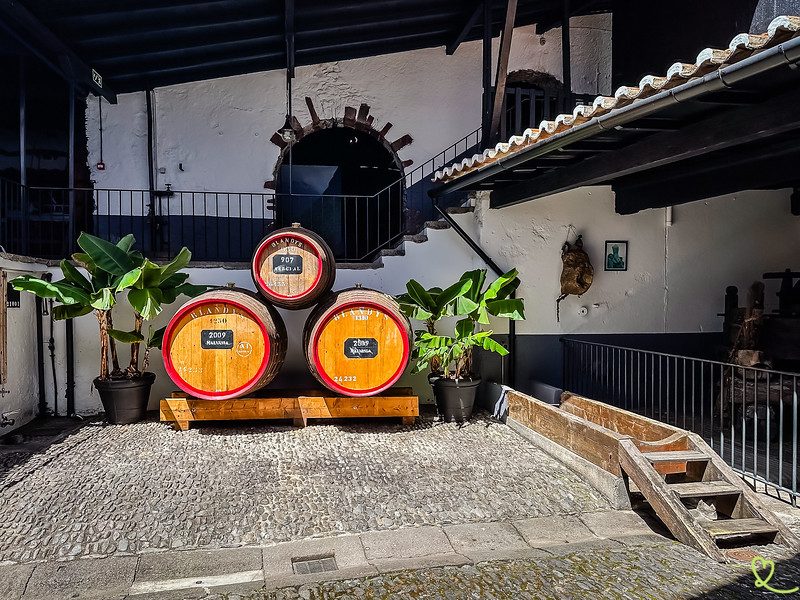
Madeira wine undergoes a heating process no other wine endures, and that single fact shapes every note in the glass. The estufagem method warms the wine in stainless steel tanks at controlled temperatures, while the slower canteiro process ages it naturally in attic lodges where Funchal's subtropical warmth does the work over decades. Both routes produce wines that defy the usual rules of oxidation: instead of spoiling, Madeira gains depth, stability, and a spectrum of flavors that span from bracingly dry to syrup-rich. The four noble grape varieties anchor the tasting vocabulary. Sercial, the driest, grows at the highest elevations and produces wines with piercing acidity, pale amber color, and notes of lemon peel, green almond, and saline minerality. Verdelho sits in the medium-dry range, offering rounder body and flavors of candied citrus, apricot, and ginger. Bual delivers medium sweetness with mahogany hues, caramelized orange, raisin, and walnut emerging in every sip. Malmsey, the richest, pours deep brown and tastes of toffee, dried fig, coffee, and dark chocolate. Each variety follows its own trajectory as it ages, but all share the hallmark oxidative character that makes Madeira unmistakable. Vintage Madeira adds another dimension. Single-harvest wines aged for twenty years or more in cask develop tertiary notes of tobacco leaf, leather, burnt sugar, and medicinal herbs. The youngest Madeira wines, labeled as three- or five-year blends, show fresher fruit and less complexity. Colheita bottlings, aged at least five years from a single vintage, bridge the gap. When tasting, look first at color intensity: deeper tones signal longer aging and richer oxidative development. On the nose, younger wines emphasize primary fruit, while older examples shift toward spice, resin, and umami. Understanding madeira wine tasting notes begins with recognizing the interplay between grape variety, sweetness level, and aging regime. The wine's fortification with grape spirit halts fermentation at the desired sweetness, locking in sugar while the subsequent heat aging builds savory depth. That tension between sweet and savory defines the profile, whether you're tasting a crisp Sercial or a decadent Malmsey. The best way to learn the spectrum is to taste the four styles side by side, starting dry and moving sweet, noting how acidity, body, and oxidative character evolve across the range. Blandy's Wine Lodge in Funchal offers structured tastings that walk visitors through each variety, pairing the wines with context about vineyard altitude, aging duration, and historical production methods.
“Madeira gains depth and stability through controlled oxidation, a process that would ruin most wines but creates one of the world's most age-worthy styles.”
Blandy's Wine Lodge maintains consistent weekly hours for guests exploring the history and production of Madeira wine.
Admission to the courtyard and shop at Blandy's Wine Lodge is free of charge. Guided tours and specific wine tasting flights require separate payment based on the experience selected.
Verdict: While facility entry is free, visitors typically pay for guided tours or tasting flights, with costs varying by the specific program chosen.
For optimal conditions when analyzing Madeira wine tasting notes, the best arrival window is 10:00–12:00. Morning slots are generally quieter, helping visitors avoid peak afternoon crowds and allowing for a focused, sensory-driven evaluation.
—
Quiet conditions permit better concentration on aromatic profiles and texture analysis during tastings.
—
Increased visitor traffic can lead to longer waits and a more rushed atmosphere at the lodge.
Mild (18°C–22°C)
Pleasant spring temperatures provide a comfortable environment for exploring the historic lodge grounds.
Mild (19°C–23°C)
The post-harvest season remains temperate, offering favorable conditions for both indoor tastings and courtyard exploration.
Verdict: The most effective time for a detailed tasting experience is Tuesday to Thursday between 10:00 and 12:00.
A structured tasting protocol helps visitors capture the full sensory profile of Madeira wines during lodge visits. The process takes 3–5 minutes per wine and follows a universal sequence used by professionals.
Hold the glass against a white surface to assess color depth and clarity. Madeira ranges from pale gold (Sercial) to dark mahogany (Malmsey), with age darkening all styles—many visitors rush this step and miss oxidation clues in the rim.
Swirl gently and inhale at the rim to identify primary notes—dried fruits, nuts, caramel, or citrus peel. Madeira's fortification preserves volatile compounds longer than table wines, so a second sniff often reveals layered complexity that the first pass misses.
Take a small sip and let it coat your mouth, noting the balance between sweetness, acidity, and alcohol warmth. The common mistake is swallowing immediately—hold the wine for 3–4 seconds to detect the interplay between residual sugar and the signature high acidity that defines Madeira.
After swallowing, note how long the flavors persist and whether new elements emerge—roasted nuts, toffee, or spice. Quality Madeiras show finishes exceeding 30 seconds; noting this duration helps compare wines and identifies age-worthy bottles during your tasting session.
Everything you need to know about madeira wine tasting notes
When reviewing madeira wine tasting notes, focus on identifying primary aromas like caramel, dried fruits, and roasted nuts. These descriptors reflect the unique oxidation process inherent to wines from the Madeira Wine Region. Developing your palate requires comparing these sensory markers against different styles of this fortified beverage. Understanding madeira wine tasting notes helps enthusiasts distinguish between the sweetness levels of Sercial, Verdelho, Bual, and Malmsey. The process involves blending specific grape varieties and controlling heat exposure to create complex flavor profiles. Each variation in the oxidative aging period adds layers of acidity and richness to the final glass. While entry to the courtyard and shop is free, you can access guided tours and structured sessions for an additional fee. It is recommended to check the official site to organize your visit to this historic cellar. The best arrival window is 10:00–12:00 to avoid afternoon crowds at this popular location. You may visit the premises during operating hours to explore the history of the lodge, though formal tasting experiences often require advance coordination. You are welcome to enter the courtyard and shop freely, but ensure you manage your schedule according to the daily closing times. Guests of all ages are welcome in the shop and courtyard areas of this Funchal landmark. However, formal wine consumption is restricted to adults, and we advise checking if specific tour packages allow minors in the tasting room. Tasting notes often diverge based on the age of the wine, as longer aging concentrates the acidity and sweetness. Whether sampling a vintage or a younger blend, observing the color and legs of the wine is essential for a complete assessment.