
English| EUR
Suggested for you
More currencies
Choose a language
Madeira wine presents a flavor profile unlike any other fortified wine, shaped by centuries of heat exposure and oxidative aging. Understanding what does Madeira wine taste like begins with its signature caramelized sweetness, balanced by vibrant acidity. This guide explores the taste characteristics that make Madeira one of the world's most distinctive wines.
Quick answer
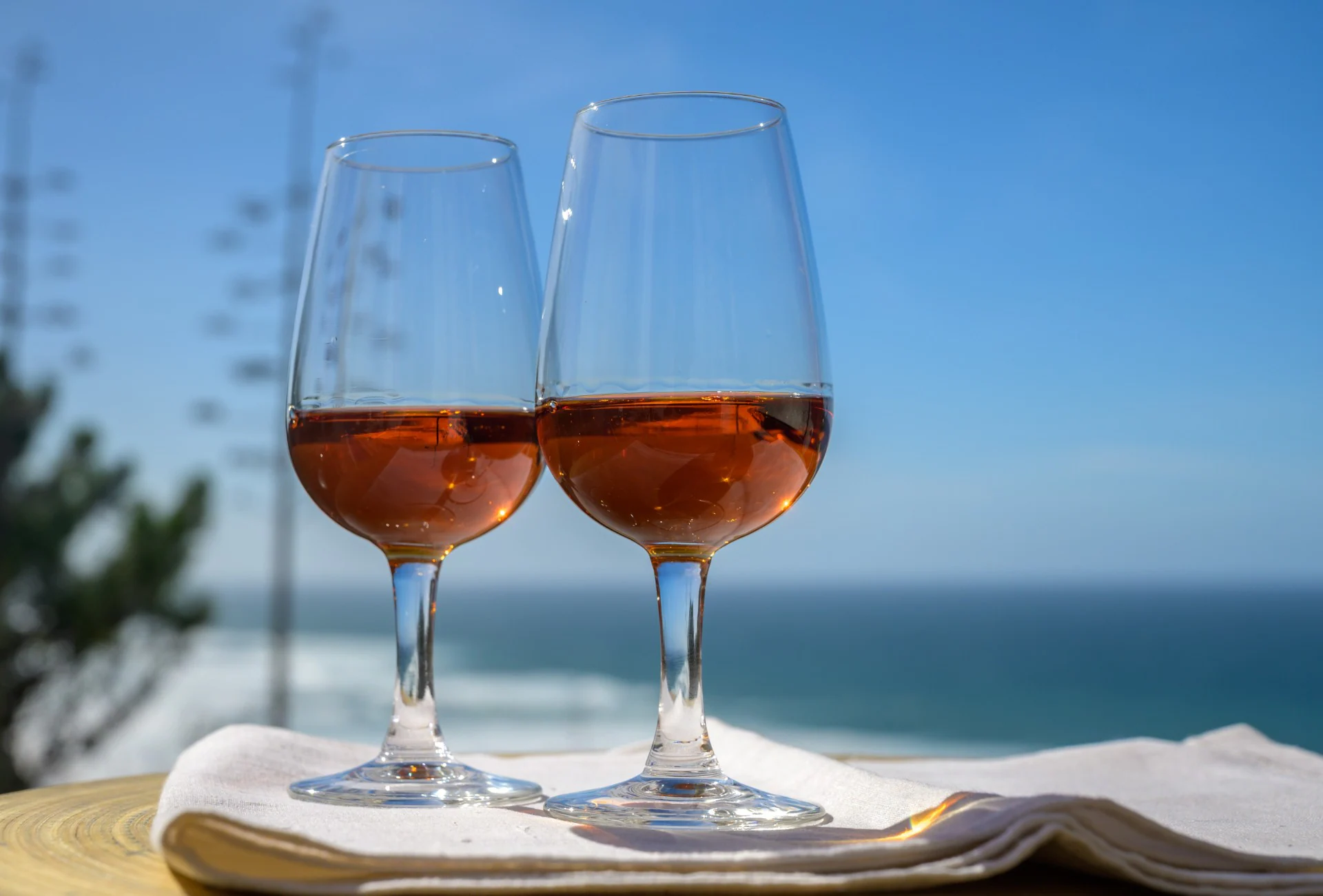
Madeira wine tastes rich and complex, with dominant caramelized sugar notes reminiscent of toffee, burnt caramel, and roasted nuts. The flavor profile balances sweetness with high acidity, creating a bright, layered finish. Depending on the style, you'll encounter flavors ranging from dried fruits and molasses in sweeter varieties to saline, nutty, and oxidative notes in drier versions, all unified by Madeira's characteristic tangy backbone.
Every bottle of Madeira carries the fingerprint of an aging process that would ruin most wines but instead creates one of the most resilient and flavorful fortified wines in existence. The unique estufagem heating method, which subjects the wine to temperatures reaching 45°C for months, triggers a cascade of chemical reactions that produce Madeira's unmistakable taste signature. This controlled heat exposure caramelizes residual sugars and encourages oxidation, resulting in the burnt sugar and toffee notes that define the Madeira wine flavor profile. The answer to what does Madeira wine taste like depends significantly on which of the four noble grape varieties forms the base. Sercial, the driest style, delivers a bone-dry palate with saline minerality, almond skin, and citrus peel bitterness, supported by searing acidity that cuts through rich foods. Verdelho occupies the off-dry middle ground, offering honeyed stone fruit and hazelnut flavors wrapped in a smoky, caramelized envelope. Bual moves into medium-sweet territory with fig, date, and walnut oil richness, while Malmsey, the sweetest expression, pours molasses, chocolate, and candied orange peel over a still-vibrant acidic core. The acidity never disappears, regardless of sweetness level—it's the structural constant that prevents Madeira from becoming cloying and allows even century-old bottles to taste fresh. That high acidity comes from Madeira's volcanic soils and the Atlantic climate that keeps the grapes crisp despite the subtropical latitude. When combined with fortification—the addition of grape spirit that halts fermentation and locks in residual sugar—the result is a wine with exceptional balance and near-immortal shelf life. Oxidative aging in seasoned casks adds layers of walnut, tobacco leaf, and leather, while the canteiro method, which ages wine in warm attics for decades, deepens the caramel complexity without the aggressive heat of estufagem. The taste experience shifts with each sip as the wine opens in the glass, revealing tertiary notes of dried mushroom, burnt orange, and espresso that weren't present on first pour. Blandy's Wine Lodge in Funchal offers guided tastings that walk visitors through the flavor spectrum, from young three-year blends to rare vintage bottlings that have aged for half a century. The 4.20 EUR guided tour includes a structured tasting that demonstrates how grape variety, sweetness level, and aging duration shape the final taste. Morning visits between the 09:30 opening and noon provide the clearest palate for discerning subtle differences between styles. The lodge's tasting room, located in the historic cellars along Avenida Arriaga, allows visitors to compare Madeira's taste profile against their expectations, often revealing that what they imagined as a heavy dessert wine is in fact a nimble, food-friendly fortified wine with startling freshness. The experience demystifies Madeira's reputation and replaces abstract descriptions with direct sensory knowledge—the only reliable way to understand what Madeira wine truly tastes like.
“The acidity never disappears, regardless of sweetness level—it's the structural constant that prevents Madeira from becoming cloying and allows even century-old bottles to taste fresh.”
The distinct character of Madeira wine is shaped by the interplay of heat and oxidation during its production. These technical processes transform the wine, creating a flavor profile defined by longevity, acidity, and complexity.
The estufagem process mimics the long sea voyages of the past by heating the wine in stainless steel tanks to temperatures between 45°C and 50°C for at least three months. This accelerates the aging process and stabilizes the wine.
By exposing the wine to controlled amounts of oxygen during aging, producers encourage a chemical evolution that results in characteristic nutty and caramelized notes. This process also contributes to the wine's deep, amber-to-brown color.
Madeira wine is known for its high acidity, which balances its sweetness and prevents it from feeling cloying. Tasting notes often include flavors of dried fruit, toasted nuts, caramel, and orange peel.
Due to the heating and oxidation, Madeira is one of the most stable wines in the world. Once opened, a bottle can remain drinkable for weeks, months, or even years without significant degradation.
Higher-quality Madeiras are aged in oak casks in warm attics known as canteiros, where they undergo a slow, natural heating process over many years. This method produces more refined aromas and a more integrated flavor profile than tank heating.
The interaction between volatile acidity and residual sugar is key to Madeira's profile. Even the sweetest styles maintain a sharp, clean finish because of the wine's naturally high acidity.
Blandy's Wine Lodge maintains regular operating hours throughout the week, with modified availability on weekends.
To enjoy a thorough exploration of how Madeira wine tastes, the best arrival window is 09:30–12:00. Arriving during this period avoids peak afternoon crowds and ensures sufficient time for a complete tour experience.
—
Visiting early in the week allows for a quieter environment to discern subtle flavor profiles during your tasting.
—
This period often sees the largest groups, which may limit the time available for detailed questions about the wine.
—
Expect higher visitor numbers and shorter operational hours, ending at 13:00.
Verdict: The optimal time to experience a tasting is Tuesday to Thursday, arriving promptly at 09:30.
Everything you need to know about what does madeira wine taste like
Madeira wine is renowned for its high acidity and distinct oxidative character, often featuring complex notes of toasted nuts, caramel, and dried fruit. Understanding what does madeira wine taste like requires experiencing the balance between sweetness and the signature tang developed through the heating process. As the wine matures in oak casks, the flavor profile of what does madeira wine taste like deepens significantly, evolving from fresh primary fruit notes to more concentrated layers of spice, coffee, and molasses. Older vintages exhibit a remarkable intensity and persistence on the palate. Visitors interested in exploring what does madeira wine taste like should visit Blandy's Wine Lodge in Funchal. Guided tours provide an educational look at the estufagem process, and you can reserve your spot directly through their official site. Tours are available at an entrance fee of 4.2 EUR per person. For those planning a visit, the best arrival window is 09:30–12:00. Arriving early helps you avoid peak afternoon crowds, ensuring a more relaxed experience when discovering the nuances of these fortified wines. While the lodge is an educational environment, it is primarily a working winery focused on viticulture and history. Children are welcome to accompany adults on the premises, though the focus remains on the adult-oriented experience of wine education and tasting.